How to Onboard Self-Employed Drivers & Contractors
How a UK operator onboards self-employed drivers and contractors. Couriers are the example: licence records, insurance and pay details before the first round.

This blog is for owners, operations directors and compliance leads at UK operators running a self-employed workforce. Articles are grouped by the job: the worker file, pay and retention, where work comes from, and which software does which job. Weekly rule notes sit on the digest.
Start with how to onboard self-employed drivers, the 2026 map of fleet software for UK operators, or the weekly operations digest. Durable guides sit in the Zerity learning centre. Product pages for the same topics are driver compliance software and pricing from £6 per active driver per month.
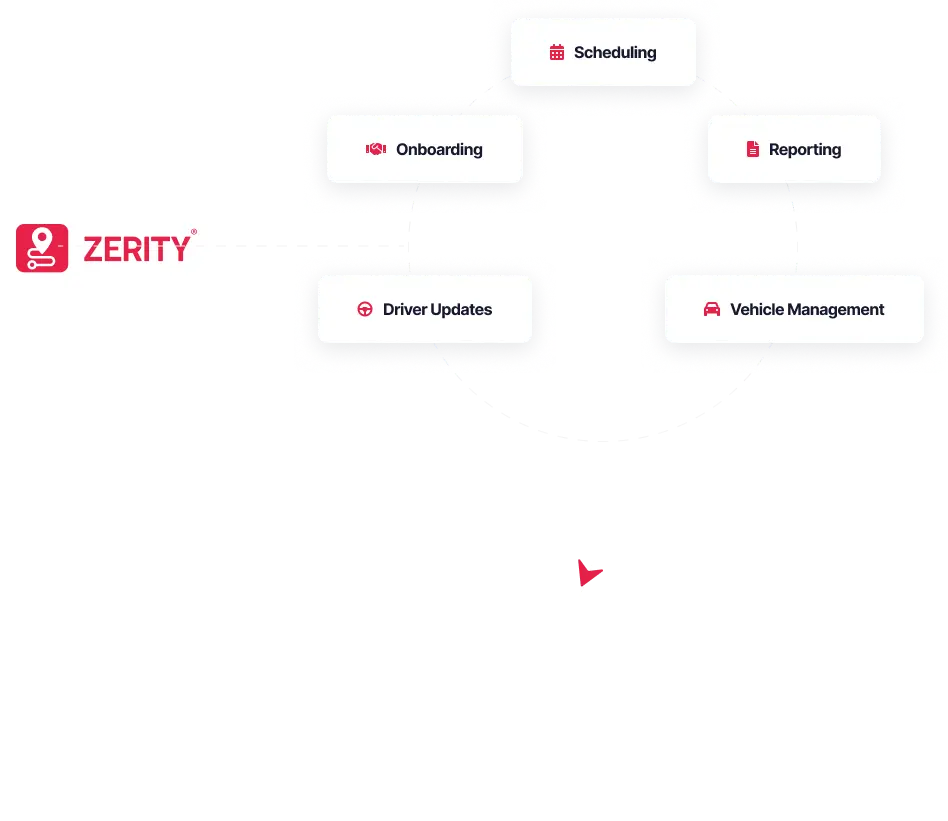
Onboarding, the licence record, right to work, and the documents a depot keeps after the first shift.
How a UK operator onboards self-employed drivers and contractors. Couriers are the example: licence records, insurance and pay details before the first round.

UK checklist to keep self-employed driver documents in date: licence re-checks, hire-and-reward insurance, MOT, tax, contracts, UTR and UK GDPR retention.
How UK operators run driver licence checks at scale for a self-employed workforce: one check route, a dated record, a set interval and one owner.
A driver licence validation check tests the photocard: photo, categories and expiry. Use this checklist before a courier starts. It is not a points check.
Driver licence verification is the audit trail behind a check: who looked, which source they used, and when it must be repeated. A photocopy is not enough.
A drivers licence points check lists current endorsements before a courier takes a route. Record the total, the codes and the date you saw the DVLA record.
From 1 October 2026, many courier engagements need a right to work check. See who is in scope, the £60,000 penalty, and the Home Office methods.
DVS compliance is TfL's permit for HGVs over 12 tonnes in Greater London. Here is the Progressive Safe System and the PCN if the permit is missing.
How UK operators track licence, insurance and other document expiry for self-employed contractors: a matrix, reminder windows, lapse steps and audit evidence.
Fleet compliance is the set of licence, vehicle, tax and safety records a UK courier operator must be able to show. Here is what belongs in the file.
A UK fleet compliance checklist for courier depots: drivers, vans, tax, right to work and the dates that lapse first. Work through it before the next audit.
A vehicle walkaround check app replaces the paper defect sheet. Drivers record the check on a phone. The depot keeps the photo, the time and the repair.
Why drivers leave, what a leaver costs from your own figures, and the tax notes that sit next to a pay run.
Why UK courier drivers leave early, how to add up a replacement cost from your own figures, and what a depot can track from week to week in practice.
IR35 for couriers decides if a contractor is employed for tax. Medium and large clients must issue a status determination statement and take care.
National Insurance for self-employed couriers is usually Class 4 through Self Assessment. Inside IR35, Class 1 can apply. Keep the class on the driver file.
PCN management for fleets covers intake, driver assignment and appeal or payment before the discount ends. Keep each notice on the driver file.
Load boards and job apps. These are places to find deliveries, not driver-management software.
Courier Exchange explained for UK fleets: daily load volume claims, membership cost, and the alternatives operators actually compare it with.
Compare UK courier job platforms: Courier Exchange, same-day networks, Amazon Flex and parcel rounds. A plain guide to what each one is for.
Telematics, route planning, and the driver file are different purchases. These pieces keep them apart.
Compare UK fleet management software in 2026 by the job it does: telematics, route planning, or driver compliance and pay. Shortlist on that gap.
Electric van fleet software for UK couriers: usable range, depot charging and downtime. The driver licence and right-to-work file stays the same.
Scorecards, inspections and service dates for people running more than one site.
Amazon DSP scorecard guide for UK owners. What Fantastic+ is, where Amazon sets the thresholds, and how the driver file sits beside that weekly standing.
How UK operators keep van MOT, tax, service, safety inspection and defect records in one file, whether vans are supplied or brought by self-employed drivers.
Pieces that do not sit in the groups above, including new guides as they are published.
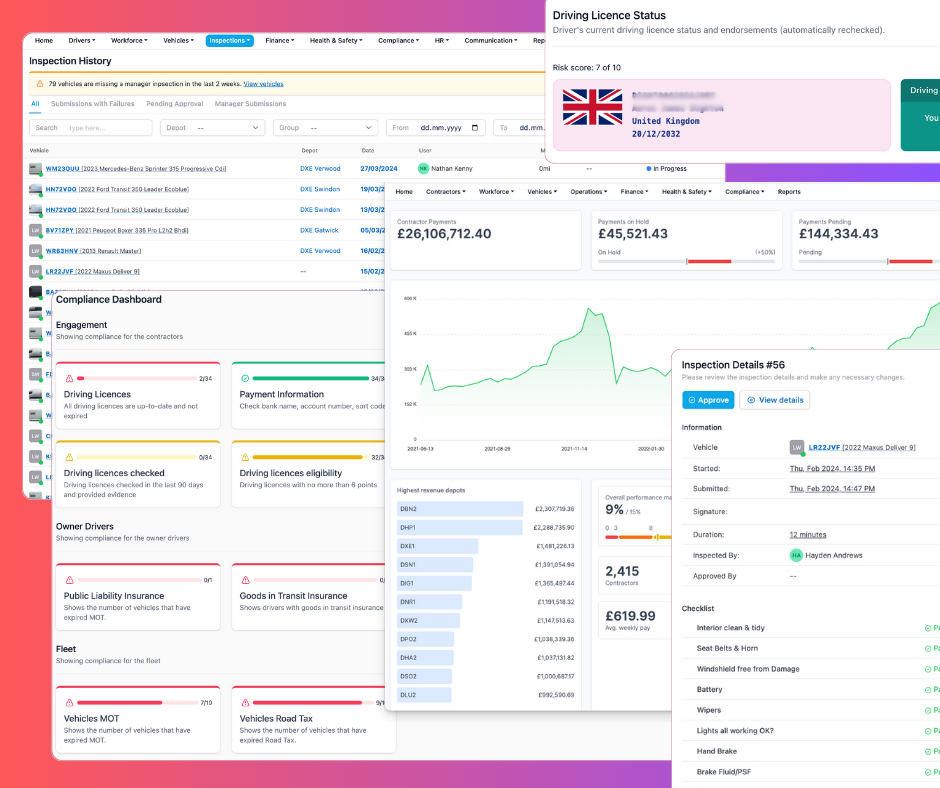
What compliance software for a self-employed workforce should do: seven criteria, what it cannot decide, and where Zerity fits from £6 per active driver.
A 5-step process for UK operators to handle substitutes and relief cover in a self-employed workforce: notice, objective checks, access, pay and records.
How UK operators end an engagement with a self-employed worker: notice, access, work record, final self-billed invoice (if you self-bill), kit and records.
How UK operators plan weekly rotas for a self-employed team: offering work, availability windows, substitution, lapsed documents and a record of offers.
What records a UK business should keep for its self-employed workforce: a five-part audit file, retention periods from HMRC and a review rhythm.
A weekly self-billed pay run for a UK self-employed workforce: the VAT Notice 700/62 agreement, days worked, rates, invoices, VAT checks and debit notes.
UK weekly ops checklist for self-employed workforces: one file, rota, pay run and audit trail, with HMRC record-keeping links and how Zerity fits.
What UK courier drivers earn before and after fuel, hire-and-reward insurance and tax. Gross, net, and why the rate per drop is not the same as the wage.
HMRC self-billing for courier depots needs a written agreement and a valid VAT invoice. Read VAT Notice 700/62 before the first pay run. File the agreement.
Operator licensing for vans over 2.5 tonnes: a UK-only van is usually exempt, and an international hire-or-reward trip needs a standard international licence.
Employment status for couriers is separate from IR35. Worker, employee and self-employed change pay, holidays and who does the right to work check.
What it costs to start a courier business in the UK in 2026: insurance, a van, and the point where a second driver needs a proper onboarding file.
Cited UK figures on courier driver turnover and the cost of a leaver, with the source and year on every number. Compare each one with your own rota.
Van driver hours rules for UK couriers: who stays on GB domestic hours, who needs a smart tachograph, and the limits that changed on 1 July 2026.
See Zerity for your self-employed workforce
From £6 per active driver